Field Teams, Site Visits and the Mobile Inbox
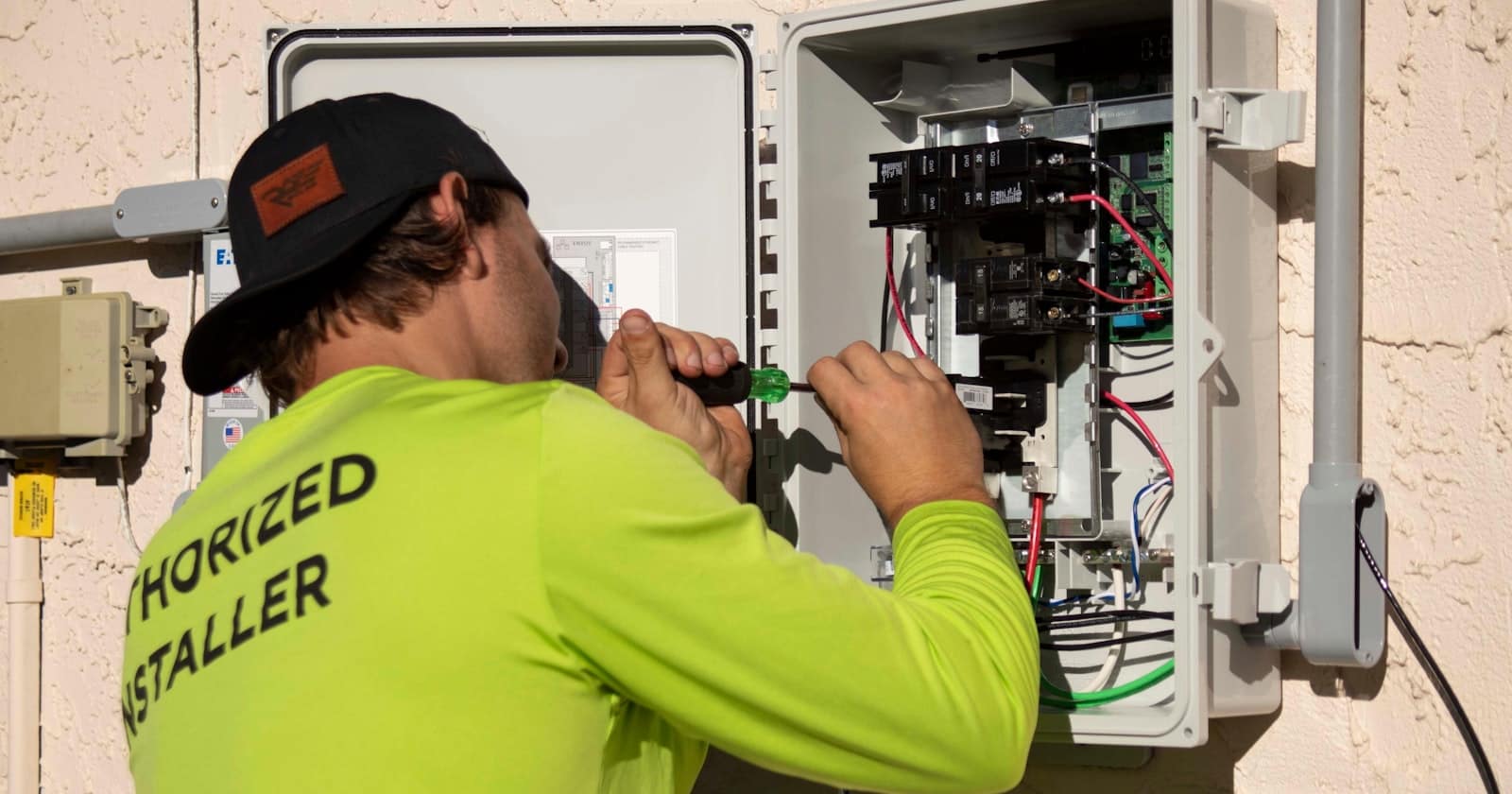
In any business with people out on the road, the information gap runs in a predictable direction. The technician standing in the customer's kitchen knows everything relevant and has no practical way to record it; the office knows the schedule and nothing about what is actually happening. Our guide to running the whole CRM from your phone treats closing that gap as the main job of a mobile client.
What they need before they arrive
- The address as a location they can tap into navigation, not a line of text to retype.
- What the job is, in the customer's own words, including the photos they sent.
- History: what was done last time, what was quoted, what went wrong before.
- Whether anything is outstanding — an unpaid invoice, a promised part, a complaint that has not been resolved.
- A number to call and permission to say what the price will be.
The fourth item is the one that saves the most awkwardness. Arriving at a customer who is furious about last month's billing, without knowing it, wastes a visit and often a relationship.
Capture at the site, not in the evening
Work recorded at nine at night from memory is thin and often wrong. Work recorded at the site — three photos, two lines of notes, a completion tap — is accurate, takes ninety seconds and does not require anyone to remember anything.
It also has to work where the signal does not, which is the subject of working with patchy connectivity. The threshold is genuinely how many taps it takes. If updating a job requires opening an app, finding the record, scrolling and typing, it will happen at the end of the day or not at all. If it is a photo and a status change from a notification, it happens while standing there.
The person with the information has ninety seconds. Design for ninety seconds and you get the information.
— be digital ai team
Keep it off personal numbers
The default in field businesses is that technicians give out their own mobile number, because it is easier for everyone in the moment. It creates three problems that only appear later: the office cannot see those conversations, the customer contacts that person forever including on their days off, and when the person leaves, the customer relationship — and the data on their device — leaves with them, which is exactly the scenario in losing a phone without losing your customer data.
Routing customer contact through the business number solves all three, and the person on site still gets the message on their phone — just inside a system where it is visible, assignable and recorded. That is the same argument for a shared inbox made in assigning conversations without chaos, applied to people who are never in the office.
Let the customer see progress
A large share of the calls a field business receives are variations of "where are they?". Each one interrupts the office and tells the customer nothing they could not have been told automatically.
An on-the-way message when the previous job is marked complete, and a completion message with a photo, removes most of those calls. It is the same pattern as delivery notifications and it works for the same reason — see order confirmations, tracking and delivery updates.
Payment and paperwork on the spot
Collecting at the door beats invoicing later by a wide margin, and a payment link sent in the chat while you are standing there is the least awkward way to ask. The same applies to a signature or a confirmation that the work was completed satisfactorily — obtained in the moment, it is uncontroversial; requested three weeks later it is a negotiation.
The photo is the paperwork
For most site work, a handful of photographs is worth more than a form. Before, after, the meter reading, the serial number, the state of the room when you arrived — each takes two seconds and answers a question somebody will ask in three months.
Attached to the job rather than sitting in a camera roll, they also close disputes before they start. The habit and its limits are covered in when a photo answers the question faster, and it applies twice over to work nobody else witnessed.
Respect what the phone is for
Field staff have their hands full, wear gloves, work in bad light and are often talking to a customer at the same time. A mobile client that demands careful data entry will be worked around — notes taken on paper, photos in the camera roll, records updated eventually by somebody else. Whatever you ask them to do should survive being done one-handed, in a hurry, in the rain.
A 20-minute walkthrough of the be digital ai mobile app for teams working on site.
Book a Demo