Getting Through Meta Business Verification
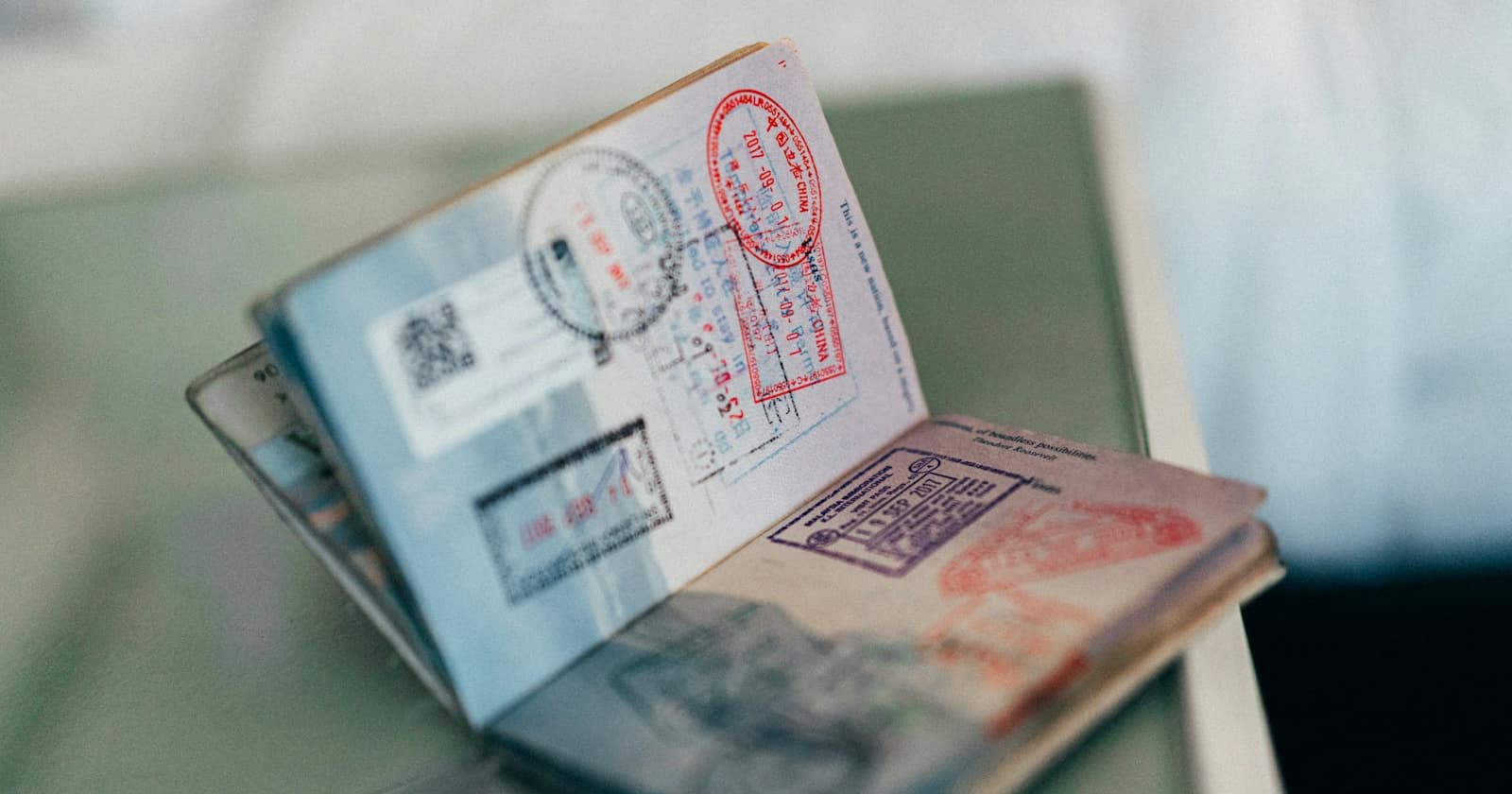
Meta wants to know that a business sending messages to its users actually exists and is who it says it is. That is a reasonable requirement and, from the inside, a slightly maddening one, because the process cares about details that feel trivial. Our guide to moving off personal WhatsApp without losing customers treats it as a paperwork exercise to prepare for rather than a hurdle to be surprised by.
What it unlocks
Verification is what allows you to operate at business scale: higher messaging limits, a verified display name shown to customers, and access to features that unverified accounts do not get. Until it is done you can test and message at low volume, which is enough to set up and not enough to run a campaign.
That is why it belongs early in a rollout. A business that leaves it until the week before a launch discovers that the timeline is not under its control.
What to prepare
- Your legal business name, exactly as registered — not the trading name, not an abbreviation.
- The registered address, again exactly as it appears in official records.
- A registration document: certificate of incorporation, trade register extract, VAT registration or the local equivalent.
- A business phone number — the one settled in choosing the number your business will live on — and a website or, failing that, a verifiable public presence.
- Proof that the phone number and website belong to the business, which is usually a utility bill or a document showing both name and address together.
The word to notice throughout is exactly. Verification is a matching exercise, and most rejections are a mismatch rather than a judgement.
Verification is not assessing whether you are a good business. It is checking whether three documents say the same thing.
— be digital ai team
Why applications get rejected
The recurring causes are dull and specific. The name on the account is the trading name while the document shows the legal entity. The address has moved and the register has not been updated. The website does not mention the company name or address anywhere. The document is a photograph at an angle with a thumb across the corner.
Rejection is not fatal; you correct and resubmit. But each cycle costs days, so it is worth going through the four points above literally, comparing character by character, before the first submission rather than the third.
The display name matters separately
Your display name is what customers see, and it is reviewed against its own rules. It should be your actual business name — not a description, not a slogan, not "Book Now". Names that read as advertising are rejected, and names that do not resemble the verified entity are too.
Get this right first time, because changing it later is another review cycle, and in the meantime your customers are looking at whatever you settled for.
What you can do while waiting
Verification does not have to block the rest of the work. You can configure the inbox, write and submit message templates, build automations, set up services and availability, import contacts and train the team — all of which is more than a week's work in any case.
What you should not do is announce a launch date that depends on the review completing. Plan the rollout so that the verified capabilities arrive when they arrive, which is the sequencing described in a 30-day rollout plan for a chat CRM.
Who should do it
This is a task for whoever holds the company documents, not for whoever is most technical. The person needs access to registration papers, the registered address, and the authority to confirm they represent the business — which in a small company is usually the owner and in a larger one is somebody in finance or administration.
Do not let it be delegated to an agency without oversight either. The business account that results is the one holding your customer conversations, and it should be owned by you rather than sitting inside a marketing partner's portfolio where it becomes awkward to retrieve.
The green tick is separate
Business verification and the official business account badge are different things. Verification is the baseline requirement for operating at scale; the badge is a further status granted to notable brands, and most small businesses will never have it.
That is not a problem. A verified display name with your actual business name achieves nearly all of the trust effect, and chasing the badge is not a good use of a small business's attention.
It is worth doing properly
Beyond limits and features, verification is a signal to your own customers. A message from a named, verified business reads differently from one that arrives as a bare number — and given that most people's instinct with an unknown number is to ignore it, that difference shows up directly in your reply rates.
A 20-minute walkthrough of connecting a verified business number to be digital ai.
Book a Demo