Short Video in Sales Conversations
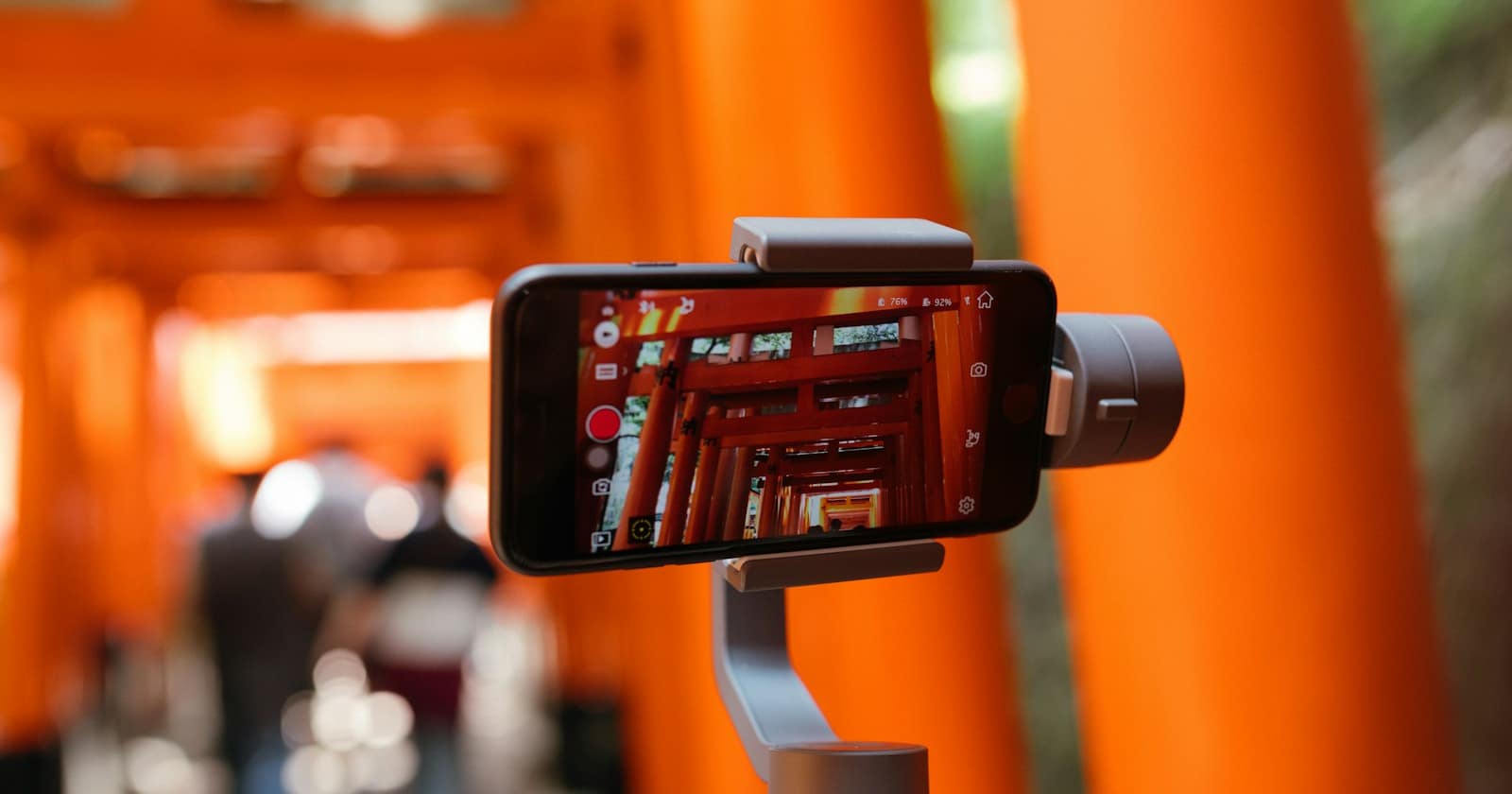
Video in business messaging has a reputation problem: people imagine production, editing and a budget. The version that works is the opposite — thirty seconds shot on a phone, unedited, sent to one customer who asked a specific question. Our guide to the half of chat that is not text treats it as a tool for a narrow set of situations where it is dramatically better than anything else.
When it is worth it
Video earns its place when the thing being sold is spatial, has movement, or has to be seen in context. A photograph of a room does not convey how it feels to walk through it; a photo of a fabric does not show how it drapes; a still of a machine does not tell you what it sounds like running.
- Property — a walkthrough answers more questions than twenty photographs and filters out viewings that would have been wasted.
- Anything with a finish or a texture: fabrics, paint, stone, hair colour under real light.
- Demonstrating a fix, or showing a customer what you have done before they arrive to collect it.
- Explaining something in a space — where the equipment goes, how the layout works, what the access is like.
- A short personal message for a large or long-delayed deal, where a face does more than a paragraph.
Outside those, a photo and two lines of text usually wins, because it is faster for both sides.
Shoot it badly, on purpose
Polished video in a one-to-one conversation reads as marketing and is treated as marketing. Something clearly filmed by a person for you specifically reads as service. Hold the phone steady, narrate what you are showing, and do not re-record it four times.
Two practical points make the difference between useful and irritating: film in landscape if it will be watched on a laptop and portrait if on a phone — for chat, portrait — and say the customer's name and the subject in the first three seconds, so they know it is for them.
A polished video reads as an advert. A shaky one narrated by a person reads as an answer.
— be digital ai team
Keep it short and sendable
Messaging platforms cap file sizes, and modern phones record at resolutions that hit those caps within a minute or two. The limits and where the file ends up are covered in where chat media goes and what it costs to keep. A video that will not send is worse than no video, because someone has spent time on it and the customer is still waiting.
Thirty to sixty seconds is the practical range. That is enough for a room, a demonstration or an explanation, and it is short enough to send on a phone connection and short enough that the customer actually watches to the end. If you need longer, you probably need a call.
Give it a text companion
Send one or two lines with the video saying what is in it and what you want them to notice. Plenty of people cannot watch immediately — they are at work, on a train, in a quiet office — and a video with no context sits unopened for a day.
Anything factual should be in the text as well as the video. A price mentioned only in a recording is a price nobody can find later, which is the same principle as in handling voice notes without losing an hour a day.
Know when a call is better
Video is a one-way medium, which is its advantage and its limit. It suits showing something that does not need a discussion — here is the room, here is what I fixed, here is how it looks in daylight. It is a poor substitute for a conversation where the customer has questions you cannot anticipate.
If you find yourself recording a third clip to answer follow-ups from the first two, the conversation wanted a call or a visit two clips ago. Video shortens sales cycles when it removes a trip; it lengthens them when it replaces a conversation that should have happened.
Reuse the good ones
Some clips answer a question you get constantly: how to find the entrance, how the treatment works, what the delivery looks like when it arrives. Those are worth recording once properly and keeping in a library your team can send in two taps.
That is a different kind of asset from a one-to-one clip, and it is worth keeping the two separate: personal videos stay in the conversation they belong to, reusable ones live somewhere the whole team can find them. Where a clip is genuinely good and the customer is pleased, ask whether you can use it more widely — with the permission recorded, the way you would for any customer content.
A 20-minute walkthrough of sending and reusing video inside be digital ai conversations.
Book a Demo