Free Entry Point Conversations
There is a persistent assumption that reaching customers on WhatsApp means sending them things. It is the expensive half of the platform and, for most small businesses, the less effective half. Our guide to what WhatsApp messaging costs and where the limits bite devotes a piece to entry points because they change the economics rather than trimming them.
Why an inbound conversation is different
When a customer messages you first, three things are true at once. You can reply freely without a template charge for as long as the 24-hour window stays open, the messaging limit does not apply, and the person has actively chosen to talk to you — which is worth more than any targeting.
Conversations that begin from certain entry points, notably ads that click through to WhatsApp and buttons on your Facebook page, are treated more favourably still. The precise terms have changed over time and vary by region, so check the current position for your market — but the direction of the incentive has been consistent: the platform wants customers choosing to start conversations.
Click-to-WhatsApp ads
An ad that opens a chat instead of a landing page removes every step between interest and conversation. There is no form, no page load, no cookie banner — the customer taps and is already typing to you, usually with a pre-filled first message you chose.
For service businesses this converts far better than sending the same traffic to a website, because the thing being sold is a conversation anyway. The detail of setting these up well is covered in click-to-WhatsApp ads: turning ad spend into conversations.
Every conversation your customer starts is one you do not have to pay to start. Design for that, and the bill takes care of itself.
— be digital ai team
The entry points that cost nothing to build
- A chat button on every page of your website, not just the contact page.
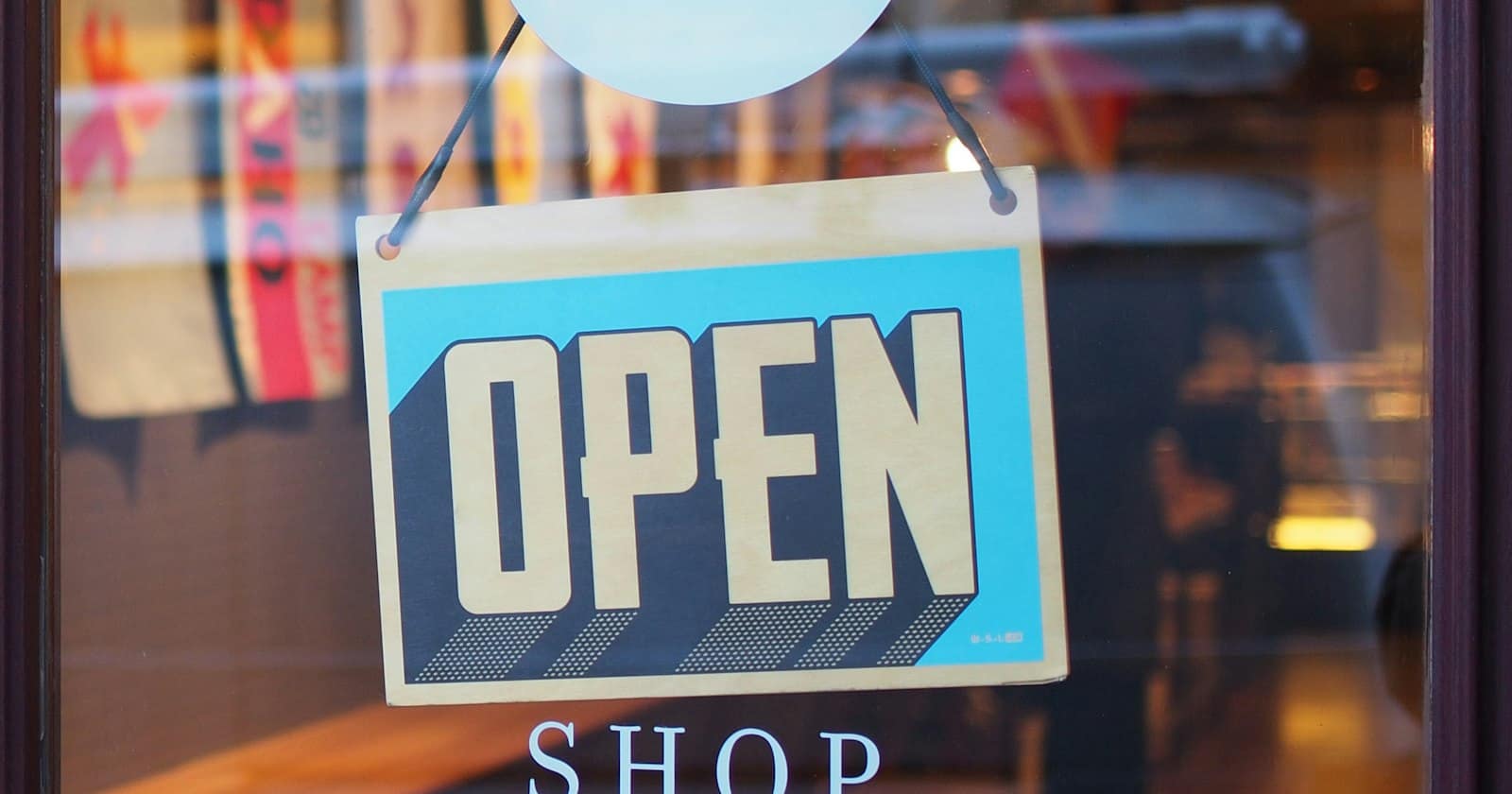
- A QR code on receipts, packaging, menus, appointment cards and the shop window.
- Your WhatsApp number in your email signature, invoices and booking confirmations.
- A link in your social profiles that opens a chat rather than a website.
- Signage at the counter — "message us" works particularly well where a queue exists.
None of these require a budget, and together they usually move more volume than any campaign. The offline ones in particular are underused; the practicalities are in WhatsApp QR codes: bringing offline customers into chat.
Give people a reason to write
An entry point works when there is something obvious to say. "Message us" is weaker than "Message us to check availability this week" or "Send a photo and we'll quote you". The second version tells the customer what happens next, which is what makes them tap.
Pre-filled first messages help for the same reason. Someone who taps a link and sees "Hi, I'd like to book a consultation" already typed for them is far more likely to press send than someone facing an empty box and a decision about how to introduce themselves.
Then answer quickly
The advantage of an inbound conversation lasts exactly as long as the window it opened. Reply within minutes and everything is free-form and free of charge; reply the next morning and you are back to templates and back to being one of several businesses they contacted.
This is where automation earns its place — an immediate acknowledgement, a first useful answer from the AI, a routed handover to whoever should take it. That is the whole point of the setup described in automating appointment booking on WhatsApp.
Know where each conversation came from
Entry points only teach you anything if you can tell them apart afterwards. A separate link or code per placement — one for the shop window, one for receipts, one for each ad — costs nothing to set up and turns a vague sense that QR codes work into a number.
Record it on the contact at the moment the conversation starts, because it cannot be reconstructed later. Six months of that data will usually show one or two entry points producing most of your volume and several producing none, which is a cheap and unarguable case for putting the signage somewhere else.
Track the shift, not just the cost
Once a quarter, look at the ratio of conversations you started to conversations your customers started. A business moving toward inbound is getting cheaper and healthier at the same time — the messages are free, the tiers described in messaging limits and how to climb the tiers stop mattering, and the people you are talking to actually want to talk. A business moving the other way is paying more each month for attention it used to be given.
A 20-minute walkthrough of entry points, instant replies and routing in be digital ai.
Book a Demo